
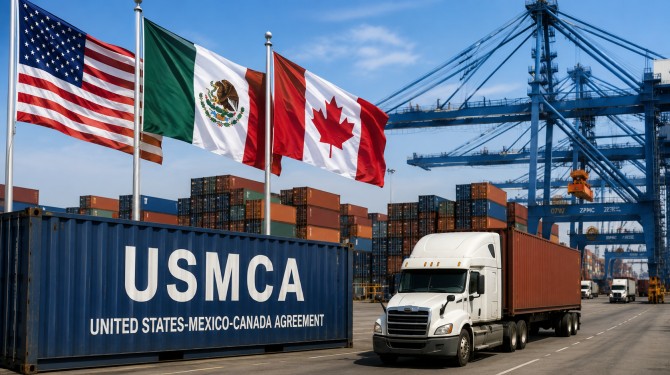
Mexico is initiating its first annual evaluation of the US-Mexico-Canada Agreement (USMCA) with the aim of mitigating rising trade tensions with the United States, particularly concerning the potential imposition of new tariffs. This significant development comes as Mexican President Claudia Sheinbaum prepares to engage in discussions with U.S. Trade Representative Jamieson Greer in Mexico City. These meetings follow earlier technical discussions between officials from both nations, set against the backdrop of U.S. President Donald Trump’s contemplation of additional tariffs on imports from over 60 countries, including Mexico.
Greer has informed U.S. lawmakers that there is a possibility of reaching provisional agreements concerning the USMCA before the end of 2026. Despite this optimistic timeline, it is anticipated that negotiations over more intricate matters—such as rules of origin, labor standards, and environmental commitments—will likely extend into 2027. The complexity of these issues underscores the challenges involved in ensuring all parties are satisfied with the outcomes of the trade agreement.
The United States is advocating for more stringent rules of origin within the agreement. This push aims to ensure that products benefitting from the trade pact are genuinely manufactured within North America, rather than being rerouted through Mexico from third-party countries. This demand reflects broader concerns about the authenticity and integrity of products moving within the trade zone.
As discussions advance, the stakes remain high for both Mexico and the United States. For Mexico, the outcome of these negotiations will have profound implications on its economic relations and trade dynamics with its North American partners. Meanwhile, the United States is keen on securing terms that protect its industries and workforce, particularly in an era of increasing global trade competition.